
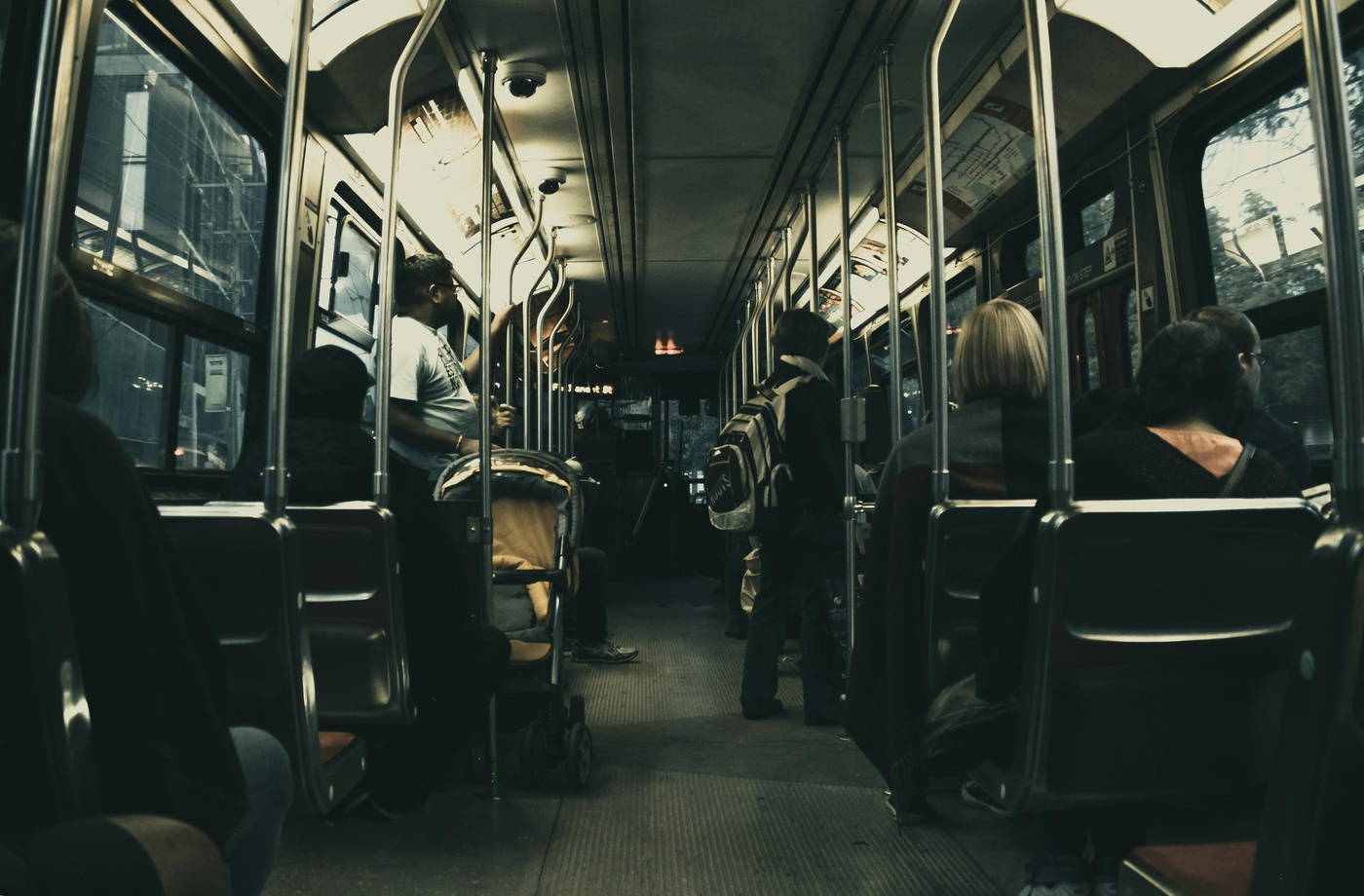
Riding the bus at night can be a convenient and affordable option, especially for shift workers, students, or late-night travelers. However, it’s important to approach nighttime transit with additional awareness and preparation. With the right strategies, you can stay safe, stay on time, and ride confidently—even when the sun goes down.
- Plan Your Route in Advance
Late-night bus schedules can differ significantly from daytime service. Some routes reduce frequency, change departure times, or combine stops overnight. Use apps like Transit, Moovit, or Google Maps to check updated routes and schedules before you leave.
Some cities, like New York’s overnight MTA schedule, have designated night services that operate between midnight and 5 a.m.
- Wait at Well-Lit, Populated Stops
Whenever possible, choose bus stops located in well-lit areas, near businesses or intersections with high visibility. Avoid isolated stops or those in low-traffic zones. If your usual stop feels unsafe, consider getting off one stop early or late where there’s better lighting or more activity.
- Travel with a Charged Phone and Emergency Contact Info
Keep your phone fully charged before heading out and save emergency contacts in your favorites for quick access. You can also enable location sharing with a trusted friend or family member using apps like Life360 or your phone’s built-in location tools.
- Keep Essentials Handy
Items like a flashlight, portable charger, headphones, and pepper spray (where legal) can offer peace of mind during late-night rides. If you need to stock up on transit gear, you can get cashback at CVS with a gift card from Fluz, making late-night travel prep both smart and budget-friendly.
- Sit Near the Driver or in Well-Populated Sections
Choosing a seat near the driver can offer added visibility and quicker access to help if needed. Avoid the back of the bus when ridership is light, and stay alert to your surroundings.
- Minimize Distractions
Avoid excessive headphone volume, long phone calls, or anything else that could distract you from observing your environment. Keeping your focus sharp allows you to stay aware of stops, fellow riders, and anything unusual.
- Know the Local Safety Resources
Some transit agencies provide late-night safety programs such as request-a-stop services, on-board cameras, or on-demand security assistance. Check your city’s transit authority website for safety tools like Washington D.C.’s Metro Transit Police.
Final Thoughts
Late-night bus travel doesn’t have to be risky. With a combination of route planning, situational awareness, and the right tools, you can ride safely and securely no matter the hour.